
Start-ups won’t need less early-stage VC $ because of large AI models.
On the @theallinpod this weekend, @chamath, @DavidSacks, and @Jason correctly questioned the existing VC fund model and debated whether start-ups that used to require substantial capital now only need a fraction of that. This thinking is driven by Large AI models pushing the cost of simple software development toward zero.
After further thought, I don’t believe this to be true for 1 core reason. The bar-raising effect. Throughout history, there are countless examples of technology making a popular item/service cheaper to produce. When this happens, two things can occur:
a.) consumers are happy with the thing they are purchasing and continue to consume at the new lower price.
b.) entrepreneurs raise the bar and use innovation to level up the product or service while maintaining or raising prices.
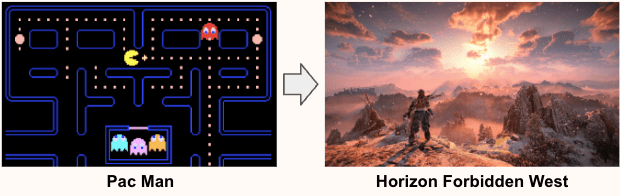
In the technology space, option b has almost always occurred. For example, in 1979, it took a team of 9 designers and engineers approximately 18 months to create Pac-Man. Over the ensuing years, game design and development tools hit the market and it became incredibly easy to recreate Pac-Man. Today, young children can develop a Pac-Man game on their own. When the cost of low graphic game development went down, the game industry raised the bar. They leveraged new technologies to create 100x more complex games with realistic graphics, millions of assets, and complex storylines. The result… better games, higher prices, bigger development teams, and increased funding for games.
The very best entrepreneurs are going to take large AI models and rethink many of the de facto standard products/experiences. The best will go after the hard things. The next $100B company won’t be a much cheaper CRM developed by two people with $25k. (Salesforce can throw GPT-4 in their existing product) Instead, a team will create an engine that observes employees’ work and generates a custom full-stack CRM application optimized for their business’s specific needs. Every single CRM created by this engine will be entirely unique. A new service model will be needed, bug fixes will be complicated, and sales motions will be different. Building this will be hard but the bar will be raised.
The biggest winners frequently go after the hardest problems. Going after the hardest problems requires teams of excellent people. Teams of excellent people require fair compensation. TLDR: I don’t see the math changing here. Starts ups will still need great fairly compensated teams to build great bar-raising products.
 Wandering Through the Noise
Leave a comment